Many adults hesitate before booking counselling, especially men facing stress or anger. You might wonder if therapy fits your needs or worries about opening up in a safe space. This live FAQ answers common questions about counselling in Dartmouth, Halifax, and virtual counselling Nova Scotia, so you feel confident and ready to take the next step. Keep reading to find honest answers that make seeking support less daunting and more welcoming. To learn more about what to consider before scheduling a session, visit this article.
Common Counselling Questions for Men

Understanding therapy can be a journey. Men often face unique challenges in seeking help. Here’s what you need to know.
Overcoming Men’s Mental Health Stigma
You’re not alone if you feel hesitant about therapy. Many men worry about judgment or appearing weak. In reality, seeking help is a sign of strength. Opening up in a safe space can lead to growth and understanding. Most people think therapy is about fixing problems, but it’s about building resilience. It offers tools to manage stress and anger. Remember, every step you take toward mental wellness counts.
What to Expect in Men's Counselling
Starting therapy might feel daunting, but it’s a step toward understanding yourself better. In sessions, you’ll explore emotions and identify patterns. Your therapist will be a supportive guide, helping you navigate life’s challenges. Expect a collaborative process where your voice matters. Initially, sessions focus on building trust and comfort. Questions will help you reflect and gain insights. For examples of questions therapists might ask, check out this resource. You’ll learn new skills to cope with stress and express emotions more freely.
Safe and Supportive Therapy Environment
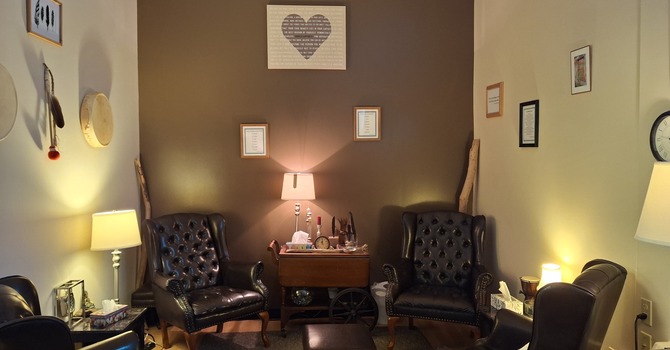
Creating a supportive environment is key to effective therapy. You deserve a space where you feel heard and respected. At CYBCT, our sessions are confidential and non-judgmental. This atmosphere helps you open up and explore your thoughts. You’re not expected to have everything figured out. Therapy is a place to begin. Your first session will be about understanding your needs and setting goals. The longer you wait, the longer it takes to find the balance you deserve.
Couples and Families: Therapy Insights

Therapy isn’t just for individuals. Couples and families can also benefit greatly. Here’s how.
Benefits of Couples Therapy Dartmouth
Couples therapy offers a fresh start. Many couples face communication challenges. Therapy helps you reconnect and understand your partner better. You’ll work on rebuilding trust and improving communication. Think of it as relationship maintenance. It’s normal to need outside support. With guidance, you can navigate conflicts and strengthen your bond. The goal is to create a healthier, more fulfilling relationship. For more insights, explore these questions to ask your therapist.
Family Counselling Nova Scotia Explained
Every family has its unique dynamics. Family counselling helps address conflicts and improve understanding. Sessions focus on communication and building stronger connections. You’ll learn to navigate transitions and manage stress together. It’s about creating harmony and support for each member. You’ll engage in conversations that foster growth and healing. By addressing issues head-on, families create lasting change. This proactive approach leads to a more cohesive family unit.
Building Stronger Connections
Therapy can transform relationships. Whether it’s resolving conflict or enhancing communication, the benefits are clear. You’ll learn to express yourself more effectively. Discovering new ways to connect can deepen relationships. Families and couples often feel closer after therapy. This process encourages empathy and understanding. It’s a chance to rebuild and strengthen bonds that may have weakened over time. Don’t underestimate the power of therapy to bring people together.
Accessing Therapy Across Nova Scotia

Therapy is accessible to everyone, regardless of location. Here’s how you can find support wherever you are.
Virtual Counselling Nova Scotia Options
Virtual counselling breaks down barriers to mental health support. You can attend sessions from home or any private space. All you need is a device with internet access. This flexibility makes therapy more accessible. Sessions are as effective as in-person meetings, offering the same level of care. Virtual therapy fits into your schedule, reducing stress and travel time. Explore how online sessions can support your well-being.
Walk and Talk Therapy Dartmouth
Walk and talk therapy combines nature and counselling. This approach integrates movement with therapeutic conversation, fostering a relaxed environment. Walking can ease anxiety and promote openness. It’s a unique way to engage in therapy, especially for those who prefer being outdoors. You’ll find that being in nature enhances your ability to reflect and connect. Sessions are designed to be as impactful as traditional therapy, offering a fresh perspective on self-exploration.
Flexible and Confidential Support
Therapy should adapt to your needs. At CYBCT, we offer diverse methods to ensure you receive the best possible support. Whether you choose virtual, in-person, or walk and talk therapy, confidentiality remains a top priority. We understand the importance of privacy and respect. Each session is tailored to your goals, providing a personalized approach to mental health. Embrace the opportunity to grow and heal in a way that suits you best. Seek the support that aligns with your lifestyle, and take the first step toward a balanced, fulfilling life.
Ready to Begin Your Healing Journey
Phone: (902) 420‑6934 Email: admin@cybct.ca Website: https://www.cybct.ca
Follow us for mental health resources and inspiration:
Instagram: @creatingyourbalance2020
Facebook: @creatingyourbalancecounsellingtherapy
This content is for informational purposes only and does not constitute professional or therapeutic advice. Please contact Creating Your Balance Counselling Therapy directly to discuss your individual counselling needs