Saying “I’m fine” often hides more than it reveals. When it becomes your go-to answer, it might be covering stress, frustration, or pain that’s hard to share. At Creating Your Balance Counselling Therapy, we understand how tough it can be to speak up, especially for men. Let’s explore what “I’m fine” might really mean—and how compassionate counselling in Dartmouth or virtual support across Nova Scotia can help you find real relief and connection. For more insights, you can read more here.
The Habit of Hiding Emotions

You might not think twice when you say, "I'm fine." But this simple phrase often hides deeper emotions. Let’s unpack why it’s so common.
Why We Say "I'm Fine"
Saying "I'm fine" can become a shield. It’s a quick way to avoid tough conversations. You might feel it's easier than opening up. Sometimes, it's fear of judgment or vulnerability. Many people use "I'm fine" to protect themselves from these uncomfortable feelings. Saying this can make you feel in control, even when you aren't. But remember, you’re not alone in this habit. A lot of people feel the same way.
Feeling like you have to say "I'm fine" can create distance from others. You might think it's protecting you, but it can prevent deeper connections. Want to know how to break this habit? Stay with us as we explore more.
Common Barriers to Honest Check-ins
Why is it so hard to say how you really feel? One reason is the fear of burdening others. You might worry about being seen as weak. Social norms also play a role: many think they should appear strong and composed. But these barriers only add to stress. When you bottle up emotions, it can lead to burnout. This habit often starts young and can be hard to break.
But here’s the key insight: being open doesn’t mean you’re weak. It can actually strengthen relationships. Discussing your feelings can bring relief and understanding. Explore how emotional suppression affects you in the next section.
Understanding the Impact on Mental Health

Bottling up emotions can have significant effects on your mental health. Let’s look at how this impacts stress levels and why honest communication matters.
Emotional Suppression and Stress
Holding in emotions can increase stress. You might feel tense or anxious without knowing why. When you don't express feelings, they can build up and become overwhelming. Over time, this can affect your health. It might lead to headaches or trouble sleeping. Emotional suppression can also impact your relationships. When you don’t share how you feel, it’s hard for others to understand you.
Suppressing emotions is like carrying a heavy backpack all the time. It weighs you down. But here's some good news: talking to someone can help lighten that load. Let's explore the benefits of authentic communication.
The Importance of Authentic Communication
Authentic communication is key to well-being. It helps you connect with others on a deeper level. When you share your true feelings, you allow others to support you. This can lead to stronger relationships. Real conversations can also reduce stress. They help you understand your emotions and find solutions. Honest communication is empowering. It builds trust and fosters emotional safety in relationships.
Most people think that opening up is risky, but it can actually strengthen bonds. Sharing your feelings can bring comfort and clarity. Ready to take steps toward support? Discover how counselling can help in the next section.
Taking Steps Toward Support

Recognizing the impact of hiding emotions is the first step. Now, let’s explore how counselling can provide valuable support and relief.
Benefits of Men’s Counselling Nova Scotia
Men’s counselling in Nova Scotia offers a safe space to express feelings without judgment. It can help you explore emotions and understand their impact. With support, you can develop healthier coping strategies. Counselling provides tools to manage stress and improve relationships. It’s not just about talking; it's about finding solutions that work for you.
Most people think they should handle emotions alone, but having support can make a difference. If you’re seeking a compassionate counsellor, consider men’s counselling in Nova Scotia. Learn about therapy options available to you next.
Exploring Therapy Options: Virtual and In-Person
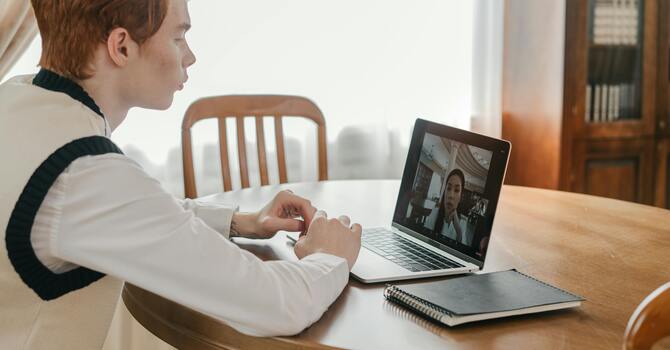
Therapy options are more accessible than ever. You can choose between virtual or in-person sessions. Virtual counselling in Nova Scotia offers flexibility. You can join from the comfort of your home. This is ideal if you have a busy schedule or prefer privacy. In-person sessions offer a face-to-face connection. Both options provide a safe space to explore your emotions.
Imagine having a trusted guide to help navigate your feelings. Whether online or in person, therapy can offer that support. Ready to create a safe environment for growth? Discover what makes a supportive therapy environment next.
Creating a Safe and Supportive Therapy Environment
A supportive therapy environment is crucial for healing. It should feel welcoming and free of judgment. You need a space where you can be yourself. A safe environment allows you to explore emotions openly. It fosters trust and encourages personal growth. At CYBCT, therapists prioritize creating this atmosphere. They listen with empathy and offer tailored guidance.
The longer you wait, the heavier your emotional burden can feel. Consider reaching out for support. You deserve a compassionate space to express your feelings and find relief.
Ending with a value summary: Embracing candid emotional check-ins can reduce stress and enhance connections. Counselling offers the tools and support you need for meaningful change.
Ready to Begin Your Healing Journey
Phone: (902) 420‑6934 Email: admin@cybct.ca Website: https://www.cybct.ca
Follow us for mental health resources and inspiration:
Instagram: @creatingyourbalance2020
Facebook: @creatingyourbalancecounsellingtherapy
This content is for informational purposes only and does not constitute professional or therapeutic advice. Please contact Creating Your Balance Counselling Therapy directly to discuss your individual counselling needs.