Good habits rarely survive when your week turns chaotic. You don’t need more motivation—you need a habit blueprint that adapts to stress and shifting demands. In this post, you’ll find a clear, step-by-step system using proven techniques like if–then planning and keystone habits to keep your routines steady, even on your busiest days. Keep reading to build a routine that works for you, not against you. For more insights, visit this blog.
Building Resilient Habits

Creating habits that withstand busy weeks starts with understanding stress. Stress can derail even the most well-intentioned routines, but with the right strategies, you can stay on track.
Stress Management Habits
Stress is a common disruptor of routines. It can make even the simplest tasks feel overwhelming. To combat this, consider starting your day with a short meditation or breathing exercise. These practices can help calm your mind and prepare you for the day ahead.
Exercise is another excellent stress reliever. A quick 15-minute walk or a few stretches can clear your mind and boost your mood. Remember, it's not about spending hours at the gym but finding small ways to move your body.
Sleep is crucial for stress management. Aim for at least seven hours of sleep each night. A consistent bedtime routine can help signal your body that it's time to wind down. These habits can help you manage stress effectively and keep your routine intact.
Keystone Habits and Habit Stacking
Keystone habits are those that lead to the development of other good habits. They create a ripple effect in your life. For example, regular exercise can lead to healthier eating and improved sleep.
Consider identifying one keystone habit that can have a positive impact on your life. It might be as simple as starting your day with a glass of water. Once this habit is in place, you can stack other habits onto it.
Habit stacking is about building routines by linking new habits to existing ones. For instance, if you already brush your teeth every morning, you can add a habit of doing ten push-ups right afterward. This technique makes it easier to incorporate new habits into your life.
Two-Minute Rule Techniques
The two-minute rule is a powerful tool for building habits. It suggests that any new habit should take less than two minutes to complete. The idea is to make starting a new habit so easy that you can't say no.
If you want to start reading more, begin with reading one page a day. If you want to exercise, start with a two-minute stretch. The goal is to establish the habit first. Once it's part of your routine, you can gradually increase the time and effort you invest.
This approach reduces the friction of starting new habits and helps you build consistency over time. The longer you wait to start a habit, the harder it becomes to incorporate it into your routine. For more tips on building habits, check out this article.
Strategic Planning for Chaotic Weeks

Planning is essential when life gets hectic. By having a plan, you can navigate your week with intention and purpose.
Implementation Intentions and If-Then Planning
Implementation intentions involve creating a specific plan for when and where you'll perform a habit. An example could be, "If it's 7 AM, then I'll meditate for five minutes." This strategy helps create a mental link between a situation and an action.
If-then planning is similar but focuses on handling potential obstacles. For instance, "If I can't go to the gym, then I'll do a home workout." This approach prepares you for disruptions and keeps your habits intact.
These strategies are effective because they take decision-making out of the equation. You don't have to rely on willpower; you've already decided what to do. This planning makes it easier to stick to your habits, even during chaotic weeks.
Weekly Review Routine
A weekly review helps you track progress and adjust your plans as needed. Set aside time each week to reflect on what worked and what didn't. Ask yourself: Did I follow my habits? What obstacles did I encounter?
Use this time to adjust your plans and set new goals. A weekly review keeps you accountable and ensures that you're moving in the right direction. It's a moment to celebrate your successes and learn from your challenges.
This routine doesn't have to be lengthy. A 15-minute review can provide valuable insights and help you stay on track. For more on maintaining habits during chaotic times, visit this helpful guide.
Burnout Prevention Strategies
Burnout is a real risk when juggling multiple responsibilities. Preventing burnout is about creating balance and taking care of yourself.
Make sure to schedule breaks throughout your day. Short pauses can recharge your mind and boost productivity. Consider incorporating activities you enjoy, like reading or listening to music, into your routine.
Boundaries are crucial for preventing burnout. Learn to say no to tasks that don't align with your priorities. Protect your time and energy by setting limits on work hours and commitments.
These strategies can help you maintain energy and focus, even during the busiest weeks. Self-care is not a luxury; it's a necessity for sustained performance.
Differentiating Coaching and Therapy
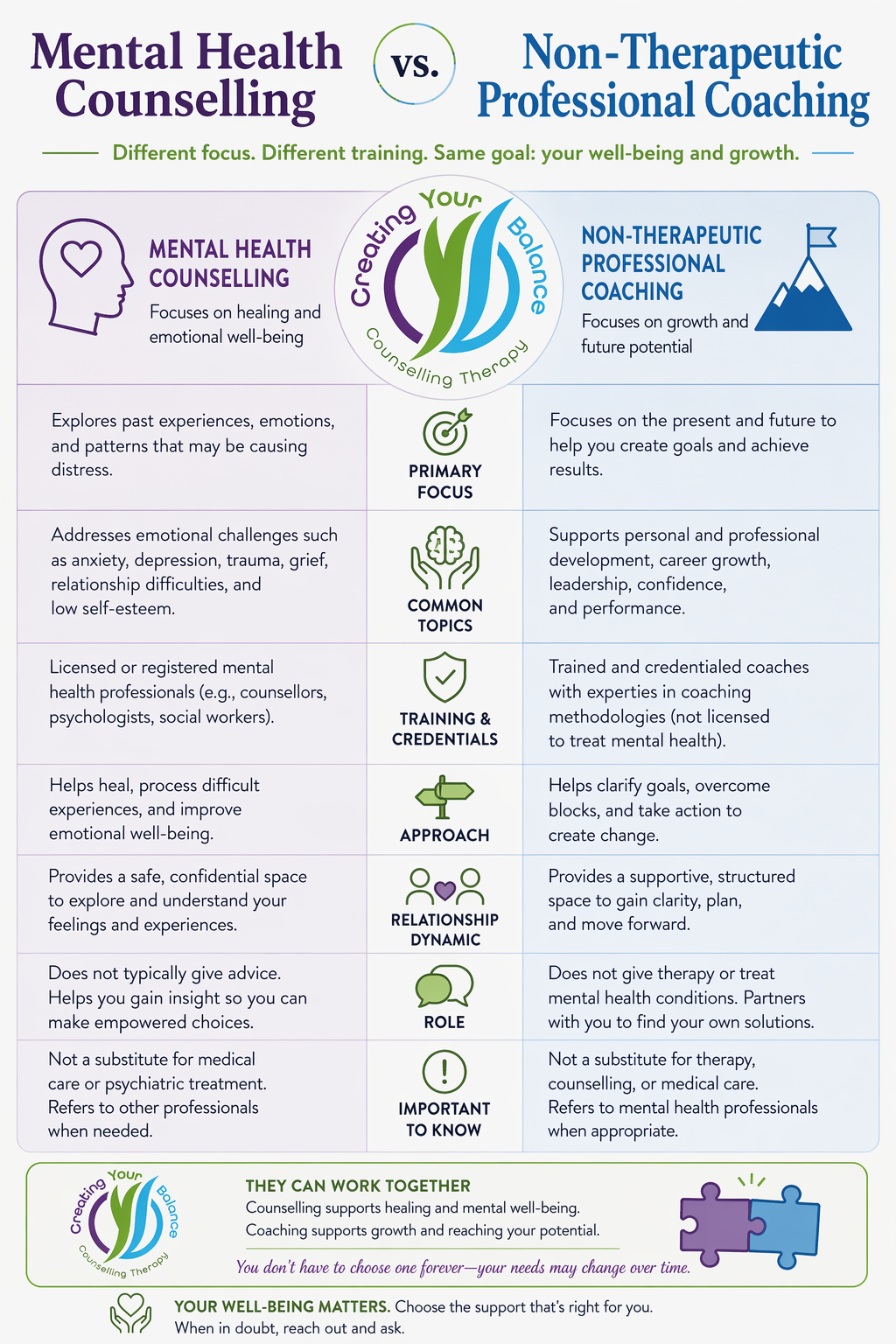
Understanding the difference between coaching and therapy is vital. Both offer support but focus on different aspects of your life.
Non-Therapeutic Coaching for Goals
Coaching is about enhancing performance and achieving goals. It's a partnership that focuses on where you want to go and how to get there. Coaches help you identify obstacles and develop strategies to overcome them.
Coaching sessions are forward-looking. They focus on setting goals, creating action plans, and tracking progress. A coach provides accountability and helps you stay motivated.
This type of support is ideal for those who are mentally well but seeking improvement in specific areas like career or personal development. Coaching can help you unlock your potential and achieve your aspirations.
Clinical Therapy for Wellness
Therapy offers a different kind of support. It's about healing and wellness. Therapy helps individuals address mental health challenges and emotional difficulties.
Therapists use evidence-based techniques to help clients understand their feelings and behaviors. Therapy sessions focus on recovery and building resilience.
This support is ideal for those dealing with issues like anxiety, depression, or trauma. Therapy provides a safe space to explore emotions and develop coping strategies.
Understanding the difference between these two approaches can help you choose the right support for your needs. If you're interested in learning more about habits that can transform your life, visit this blog post.
Booking a Free Discovery Call
If you're unsure whether coaching or therapy is right for you, consider booking a discovery call. This call provides an opportunity to discuss your goals and challenges with a professional.
During the call, you'll receive guidance on the best path forward. Whether it's coaching for performance or therapy for healing, you'll gain clarity on the next steps. Don't wait to take control of your habits and well-being. Start by reaching out for support. Remember, the longer you wait, the harder it becomes to change.
Ready to Begin Your Healing Journey
Phone: (902) 420‑6934 Email: admin@cybct.ca Website: https://www.cybct.ca
Follow us for mental health resources and inspiration:
Instagram: @creatingyourbalance2020
Facebook: @creatingyourbalancecounsellingtherapy
YouTube: @cybct
LinkedIn: @creatingyourbalancecounsellingtherapy
TikTok: @cybct2020
This content is for informational purposes only and does not constitute professional or therapeutic advice. Please contact Creating Your Balance Counselling Therapy directly to discuss your individual counselling needs.