Starting virtual counselling in Nova Scotia can feel like stepping into the unknown. You might wonder how therapy differs from coaching, or what to expect in a first session. This guide breaks down the process clearly, showing how secure online therapy and professional coaching offer distinct paths tailored to your needs. Keep reading to understand your options and take a confident first step toward support.
Navigating Virtual Counselling in Nova Scotia
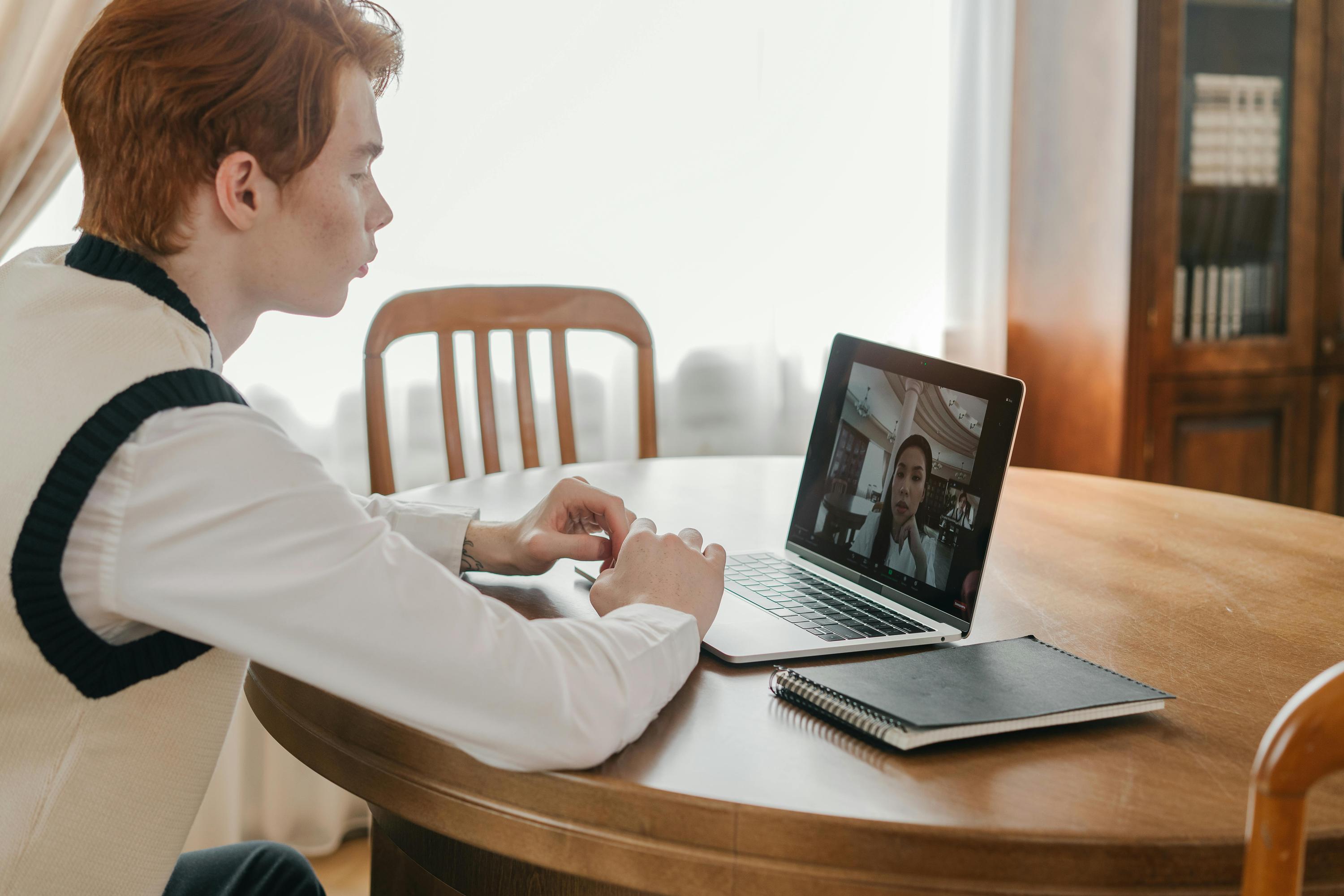
Starting virtual counselling in Nova Scotia can feel like stepping into the unknown. You might wonder how therapy differs from coaching, or what to expect in a first session. This guide breaks down the process clearly, showing how secure online therapy and professional coaching offer distinct paths tailored to your needs.
Setting Up Technology and Privacy
Setting up for virtual counselling is easier than you might think. You'll need a quiet space, a stable internet connection, and a device with a camera. These basics ensure you can focus on the session without interruptions. Remember, your privacy is key. A secure video platform protects your personal information, so you can feel safe sharing your thoughts.
Before your first session, test your setup. Make sure your internet connection is strong and that your microphone and camera work. This way, you avoid last-minute hiccups. Preparing your environment by minimizing distractions also helps you stay present during the session. Privacy and comfort are essential to making the most of your virtual counselling.
Understanding Consent and Confidentiality
Consent and confidentiality are central to your counselling journey. Before you begin, your counsellor will explain your rights and how your information is protected. This builds trust and ensures you understand the boundaries of your sessions. Knowing that what you share remains private can help you open up more freely.
During the initial meeting, you'll discuss the confidentiality agreement. This agreement outlines how your data is handled and the rare exceptions where sharing it might be necessary, such as for safety reasons. Being informed about these protocols helps you feel more secure and respected. Most people find that understanding these aspects reduces anxiety about starting therapy.
Therapy vs Coaching: Choosing Your Path
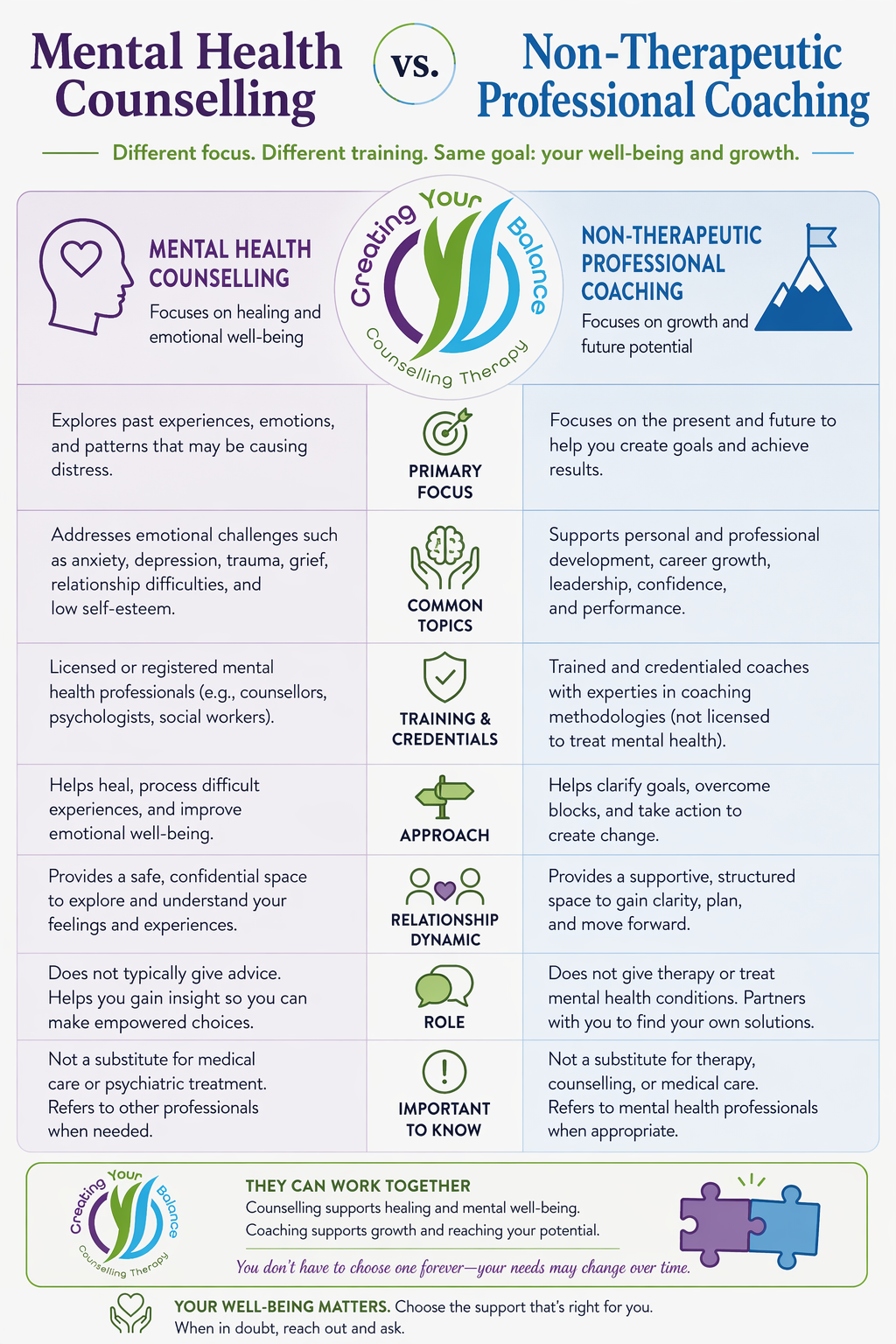
Choosing between therapy and coaching depends on your goals. Both offer unique benefits, but they cater to different needs. Let's explore how each path can support you.
What To Expect in Therapy
Therapy focuses on healing and understanding your emotions. In your first session, you discuss what's bringing you to therapy. This conversation helps your therapist tailor the sessions to your needs. Therapy is a safe space to explore feelings, process past experiences, and work towards emotional well-being.
Therapists like Neal Henderson use evidence-based approaches to guide this process. Many clients appreciate how therapy helps them develop coping strategies and emotional balance. Regular sessions provide a structured environment for self-reflection and growth. The support you receive in therapy can lead to meaningful changes over time. Learn how to prepare for your first virtual therapy session.
Exploring Professional Coaching
Coaching, on the other hand, is about setting goals and looking forward. Coaches help you identify strengths and develop strategies to achieve your ambitions. It's less about past challenges and more about future possibilities. In coaching, you are seen as capable and resourceful, ready to unlock new levels of performance.
Sessions focus on practical steps and goal-setting. Neal Henderson's coaching is strictly non-therapeutic, focusing on strategic growth. This makes coaching ideal if you're navigating career transitions or seeking personal clarity. Many find that coaching offers a motivational boost, helping them move confidently towards their goals. Discover more about online coaching options.
Supportive Services for Individuals and Families

Support isn't limited to individuals. Online counselling extends to families and couples, offering tailored support for everyone involved.
Men's Mental Health and Anger Management
Men's mental health is a key focus, addressing stress, anger, and identity issues. Many men find it hard to open up. Counselling offers a space where they can safely explore these feelings. With over 30 years of experience, Neal Henderson provides specialized support that respects men's unique challenges.
Anger management sessions help you understand triggers and develop healthier responses. This can improve relationships and personal well-being. By addressing mental health proactively, men can lead more balanced lives. The longer you wait, the more these issues can build. Consider taking the first step towards managing them today.
Couples and Family Counselling Online
Couples and families face their own set of challenges. Online counselling provides tools to strengthen communication and resolve conflicts. Whether you're navigating a new phase in your relationship or dealing with ongoing issues, professional support can make a difference.
Sessions focus on developing practical skills for better understanding and connection. Families can also benefit from counselling during transitions or crises. This support helps everyone feel heard and valued. Remember, seeking help isn't a sign of failure. It's a proactive step towards nurturing your relationships.
In summary, whether through therapy or coaching, virtual counselling in Nova Scotia offers pathways to growth and healing. By understanding your options, setting up your technology, and knowing what to expect, you can make informed choices. Embrace the journey towards a more balanced and fulfilling life.
Ready to Begin Your Healing Journey
Phone: (902) 420‑6934 Email: admin@cybct.ca Website: https://www.cybct.ca
Follow us for mental health resources and inspiration:
Instagram: @creatingyourbalance2020
Facebook: @creatingyourbalancecounsellingtherapy
YouTube: @cybct
LinkedIn: @creatingyourbalancecounsellingtherapy
TikTok: @cybct2020
This content is for informational purposes only and does not constitute professional or therapeutic advice. Please contact Creating Your Balance Counselling Therapy directly to discuss your individual counselling needs.