Choosing between therapy vs coaching can feel confusing when both promise support but serve very different needs. If you’re facing emotional challenges disrupting daily life, clinical therapy in Nova Scotia offers evidence-based care for healing and recovery. On the other hand, professional coaching non-therapeutic services help mentally well professionals sharpen focus, set goals, and navigate career transitions. This guide will help you identify which path fits your unique situation, so you can move forward with confidence and clarity. For more information, visit this resource.
Understanding Therapy and Coaching
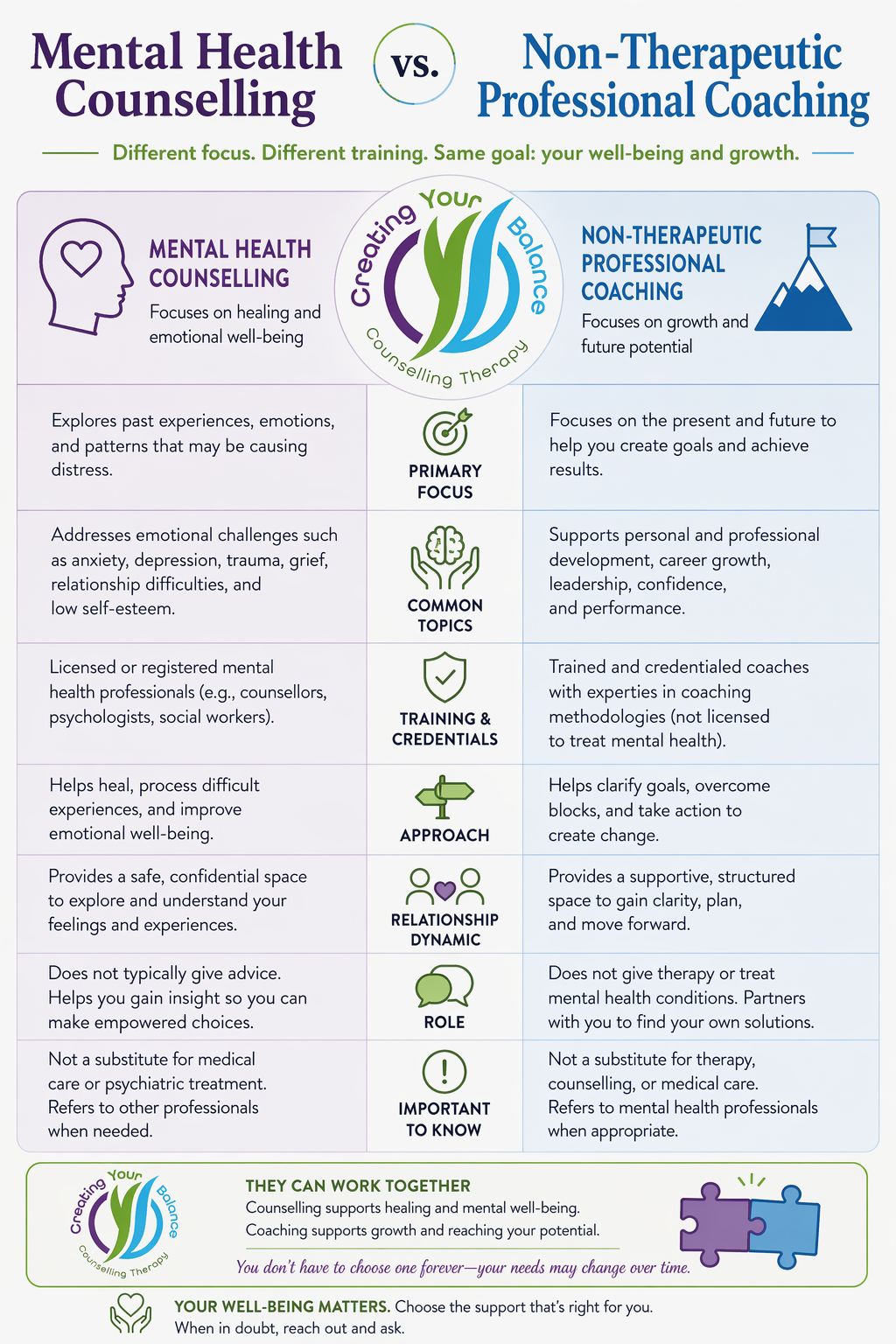
Exploring the difference between therapy and coaching can help you find the right path for your needs. Let's break it down.
Clinical Therapy Explained
Clinical therapy is your go-to option if you're dealing with emotional or mental health challenges. It's about recovery and wellness. A therapist offers a safe environment to explore and understand your feelings, thoughts, and behaviors. They use proven methods to help you manage conditions like anxiety, depression, or addiction.
Therapy sessions are typically one-on-one. This personal setting allows you to delve into past experiences and understand their impact. For instance, someone might seek therapy for anger management to understand triggers and develop coping strategies. Success isn't about quick fixes; it's about long-term growth and healing.
Many people think therapy is only for those in crisis. However, it's beneficial for anyone seeking a deeper understanding of themselves. Therapy in Nova Scotia is accessible online, providing confidentiality and comfort. Visit Creating Your Balance for more on therapy options.
Professional Coaching Insights
Professional coaching is future-focused. It helps you set goals and improve personal or professional performance. Coaches guide you in creating actionable plans to achieve your aspirations. Unlike therapy, coaching doesn't delve into emotional healing. It's strictly non-therapeutic.
Coaching sessions are structured around your ambitions. Whether you're navigating a career change or enhancing leadership skills, a coach helps you clarify your vision. For example, high-achievers use coaching to prevent burnout by setting priorities and maintaining work-life balance.
Some assume coaching is only for executives. In reality, anyone looking to enhance their potential can benefit. Coaching is about transformation and reaching your peak. If you're interested in exploring coaching in Nova Scotia, consider visiting resources like this guide.
Choosing the Right Support

Identifying the type of support you need is crucial. Both therapy and coaching offer distinct benefits.
Identifying Your Needs
To choose the right path, consider what you're currently facing. Are emotional struggles affecting your daily life, or are you seeking guidance to reach a specific goal? Therapy is ideal for addressing emotional concerns, while coaching focuses on personal development and goal achievement.
Think about your current challenges. If you're dealing with stress, anger, or identity issues, therapy might be the right choice. For those looking to enhance career performance without diving into emotional healing, coaching may suit you better.
Remember, it's okay to need help in different areas. Some people find value in both therapy and coaching. The key is understanding what you need and when. For more insights, explore this article.
Evaluating Your Goals
Your goals can guide which support system is right for you. Therapy is beneficial for those focused on healing and recovery. If your goal is to overcome depression or addiction, therapy provides the structured support you need.
Conversely, if you're motivated to improve leadership skills or manage stress better, coaching is a strategic choice. Coaches help you create a roadmap for success, offering accountability and guidance along the way.
Evaluating your goals honestly will help you decide. Many people find they benefit from a blend of both, addressing emotional wellness while also striving for personal or professional achievements. For more on setting the right path, check out these resources.
Benefits of Each Approach

Both therapy and coaching offer unique advantages. Here's what you can expect from each.
Wellness and Recovery in Therapy
Therapy offers a space for healing and understanding. You'll work with a therapist to explore emotions and develop coping strategies. It's ideal for those dealing with mental health issues or seeking personal growth.
The process isn't just about talking; it's about gaining insight and developing resilience. Imagine someone seeking therapy for anxiety: they learn to identify triggers, develop techniques to manage stress, and build a toolkit for long-term wellness.
Most people believe therapy is only for severe issues. It's also a proactive step toward maintaining mental health. Therapy encourages self-awareness and provides skills that improve well-being over time. If you're considering therapy, explore options like evidence-based therapy in Nova Scotia.
Performance and Clarity in Coaching
Coaching drives performance and clarity. It's perfect for individuals ready to take action and achieve goals. Coaches offer a structured approach, guiding you in decision-making and holding you accountable.
Consider a professional seeking a career transition. A coach helps them refine their vision, set attainable goals, and stay focused. Coaching is about empowering you to reach new heights in your personal and professional life.
Many think coaching is only for career professionals. It's beneficial for anyone aiming to enhance their skills and achieve specific outcomes. By setting clear goals and following a strategic plan, coaching supports growth and success. For those interested, learn more about goal-setting coaching in Nova Scotia.
In conclusion, both therapy and coaching have their merits. Understanding your needs and goals will help you choose the right path. Whether seeking emotional healing or striving for personal development, there's support available. Embrace the journey toward improvement and clarity.
Ready to Begin Your Healing Journey
Phone: (902) 420‑6934 Email: admin@cybct.ca Website: https://www.cybct.ca
Follow us for mental health resources and inspiration:
Instagram: @creatingyourbalance2020
Facebook: @creatingyourbalancecounsellingtherapy
YouTube: @cybct
LinkedIn: @creatingyourbalancecounsellingtherapy
TikTok: @cybct2020
This content is for informational purposes only and does not constitute professional or therapeutic advice. Please contact Creating Your Balance Counselling Therapy directly to discuss your individual counselling needs.