The weight of the invisible mental load often lands on women before the day even starts. You wake up drained, carrying a list of unspoken tasks and decisions that no one else seems to notice. This quiet exhaustion isn’t just fatigue—it’s the result of emotional labor at home and cognitive load parenting stacking up. In this post, you’ll learn why this happens and how couples can rebalance daily responsibilities to ease that burden. Learn more here.
Understanding the Invisible Mental Load

Morning exhaustion can feel like an uphill battle. But why does it grip you even before the day begins?
Why Am I Tired in The Morning?
You may find yourself asking, "Why am I tired in the morning?" Well, it's not just about a lack of sleep. It's about the constant decision fatigue and the mental checklist you carry around. This burden is often unseen, yet it weighs heavily. It's like running a marathon before your day even starts. When your mind is overloaded with countless decisions, it’s hard to feel rested.
The invisible mental load includes remembering appointments, planning meals, and managing household tasks. Each small decision chips away at your energy. Over time, this can lead to morning exhaustion, especially for women who often juggle more of these tasks. To dive deeper, check out this article from BBC.
Emotional Labor at Home
Emotional labor is about more than just keeping peace. It involves managing feelings, both yours and those around you. Many women find themselves as the emotional anchors for their families, handling everything from soothing a child’s fears to mediating conflicts. This ongoing responsibility can drain your mental resources quickly.
Unlike physical tasks, emotional labor is invisible but relentless. It's often unacknowledged, yet it demands your emotional bandwidth. This can lead to burnout, as you bear the burden of maintaining harmony in your home. Most people think it's just part of life, but it can be incredibly taxing.
Cognitive Load and Parenting Stress
Parenting brings a unique set of challenges, each adding to your cognitive load and parenting stress. Whether it's coordinating school schedules or keeping track of extracurricular activities, these tasks require constant mental juggling. When your brain is filled with these responsibilities, it's easy to feel overwhelmed.
This cognitive load isn't just about the number of tasks; it's about their complexity and the constant switching between them. This can lead to stress and even parenting burnout. It’s not about doing more; it’s about finding ways to manage these tasks more effectively. For more insights, visit The School of Mom.
Strategies to Share the Mental Load

Understanding the mental load is one thing, but how can couples work together to lighten it?
Communication Scripts for Couples
Communication is key. Without it, assumptions and misunderstandings can lead to tension. Start by having an open discussion about your daily tasks. Use specific examples to illustrate what you manage each day. This helps your partner see the full scope of your responsibilities.
Consider creating a list of tasks and discuss who can take on which roles. Use simple scripts like, "I feel overwhelmed when I have to manage dinner every night. Can we alternate?" This approach fosters collaboration and understanding.
Boundaries and Delegation
Setting boundaries is not about saying no; it's about saying yes to a more balanced life. Identify tasks that can be shared or delegated. It's okay to let go of activities that don't need your personal touch.
Delegation isn't a sign of weakness; it's a step towards a more functional household. Create a chart or schedule to distribute tasks evenly. This not only reduces your load but also empowers everyone in the household to contribute.
Work-Life Balance Coaching
If the mental load feels insurmountable, consider work-life balance coaching. A coach can help you identify stress points and develop strategies to manage them. This isn’t therapy; it’s a strategic way to optimize your daily routine and gain clarity.
Work-life balance coaching helps you focus on your goals, both personal and professional. It’s about finding effective solutions that work for your unique situation. By working with a coach, you can start to see where small changes can make a big difference.
Choosing the Right Path: Therapy vs Coaching
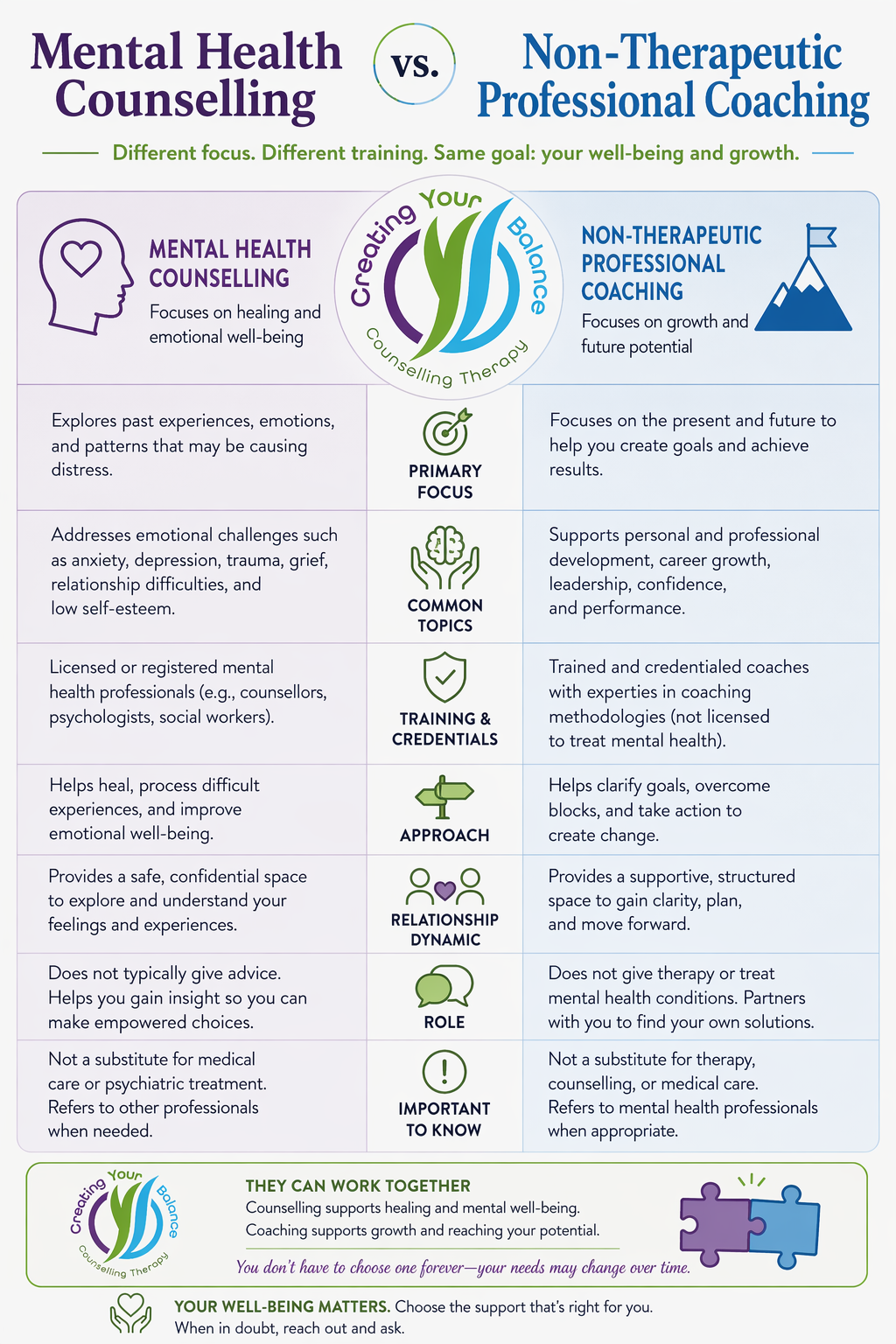
When it comes to managing the mental load, should you consider therapy or coaching?
Clinical Therapy for Wellness
Clinical therapy focuses on wellness and healing. It's ideal if you’re experiencing emotional distress or seeking to improve your mental health. Therapy provides a safe space to explore your feelings and develop coping mechanisms.
If your mental load is affecting your mood or relationships, therapy could be beneficial. It offers evidence-based support to help you navigate life's challenges and start the path to recovery.
Non-Therapeutic Professional Coaching
Coaching is for those looking to enhance performance and achieve specific life goals. Unlike therapy, it’s not about healing but about strategy and future potential. If you’re mentally well but seeking clarity or direction, coaching could be the right fit.
Professional coaching helps you set and achieve goals, optimize habits, and enhance leadership skills. It's about moving forward and maximizing your potential in a structured, supportive way.
Free Discovery Call Nova Scotia
Still unsure which path to take? Consider a free discovery call. This call helps you determine whether therapy or coaching aligns with your needs. It’s a chance to explore your options without any pressure.
Whether you're in Dartmouth or anywhere in Nova Scotia, virtual services make it easy to connect and find the support you need. Don’t wait until you're overwhelmed. Taking the first step can lead to a more balanced, fulfilling life.
By understanding and sharing the mental load, you and your partner can create a more harmonious home. Whether through communication, boundaries, or professional support, relief is within your reach. The journey towards balance begins with a single step.
Ready to Begin Your Healing Journey
Phone: (902) 420‑6934 Email: admin@cybct.ca Website: https://www.cybct.ca
Follow us for mental health resources and inspiration:
Instagram: @creatingyourbalance2020
Facebook: @creatingyourbalancecounsellingtherapy
YouTube: @cybct
LinkedIn: @creatingyourbalancecounsellingtherapy
TikTok: @cybct2020
This content is for informational purposes only and does not constitute professional or therapeutic advice. Please contact Creating Your Balance Counselling Therapy directly to discuss your individual counselling needs.