Burnout doesn’t wait for a warning—your body often forces a stop before you notice the signs. Early signs of burnout can hide in plain sight, especially when work stress piles up and pressure mounts. Recognizing these signals now helps you reflect on patterns and choose the right path: therapy for recovery or burnout coaching for strategic change. Let’s explore how to spot burnout early, so you stay in control before exhaustion takes over. Learn more about the signs and strategies for prevention in this resource.
Recognizing Early Signs of Burnout

Identifying burnout early can save you from a complete shutdown. Let's explore the common symptoms and how they impact mental health, especially for men, and uncover the triggers hiding at work.
Common Burnout Symptoms
Burnout symptoms can sneak up on you. They often start with feeling exhausted no matter how much sleep you get. You might notice you're more forgetful or unable to concentrate. These are just a few indicators that stress is taking a toll. Some people feel detached from their job or lack motivation to accomplish tasks. Others might experience physical symptoms like headaches or stomach issues.
If you're noticing these signs, it might be time to pause and reflect on your workload and lifestyle. Ignoring early symptoms often leads to chronic stress, which can impact your health over time. For a deeper understanding of burnout and how to prevent it, check this guide.
Impact on Men's Mental Health
Men often face unique pressures at work and home that can contribute to burnout. Societal expectations can lead to internalized stress. Men may feel the need to be strong and not show vulnerability, which can worsen mental health issues. It's important to recognize that seeking help is not a sign of weakness; it's a step toward strength and resilience.
Understanding how stress specifically affects men can lead to better support systems. Whether through therapy or coaching, addressing these pressures can make a significant difference. Most people think men should just tough it out, but recognizing the need for help is crucial. Explore more on why men's mental health is important at Creating Your Balance.
Identifying Work Stress Triggers
Work stress is a major contributor to burnout. Identifying specific stressors is the first step to mitigating their impact. Are you taking on too many tasks? Is there a lack of support from colleagues or management? Pinpointing these issues can help you address them more effectively.
Work environments that foster excessive competition or lack clear communication can increase stress levels. By understanding and addressing these triggers, you can create a healthier work environment. To learn more about managing work stress, check out this helpful article.
Reflecting on Personal Patterns

Reflecting on personal patterns helps you understand how stress affects you. Let's discuss tools for self-assessment and strategies to manage stress through emotional check-ins and leadership insights.
Burnout Assessment Tools
Using assessment tools can provide insights into your stress levels. These tools often include questionnaires that gauge your emotional and physical well-being. They can help you identify patterns that contribute to burnout. Regular assessments can guide you in making necessary changes before burnout takes hold.
It's easy to brush aside these tools, thinking they won't help. But most people find that even simple tools offer valuable insights. Consider integrating a quick weekly check-in to monitor changes. You'll be surprised at how much clarity you can gain.
Emotional Check-ins for Stress
Regular emotional check-ins are powerful. They allow you to pause and evaluate how you're truly feeling. Are you irritable more often? Do you feel overwhelmed frequently? Checking in with yourself helps in recognizing these emotions early.
These moments of reflection can guide you in making small adjustments to reduce stress. Whether it's setting boundaries at work or scheduling downtime, these actions can prevent burnout. Remember, it's about progress, not perfection.
Analyzing Leadership Burnout
Leadership roles come with unique stressors. Analyzing these pressures can help prevent burnout at the top. Leaders often face high expectations and may feel responsible for their team's performance. This pressure can lead to burnout if not managed properly.
By recognizing these challenges, leaders can seek support and implement strategies to reduce stress. Taking time for self-care and encouraging a balanced work environment can make a significant difference. Explore strategies for leadership well-being in this insightful piece.
Choosing Therapy or Coaching
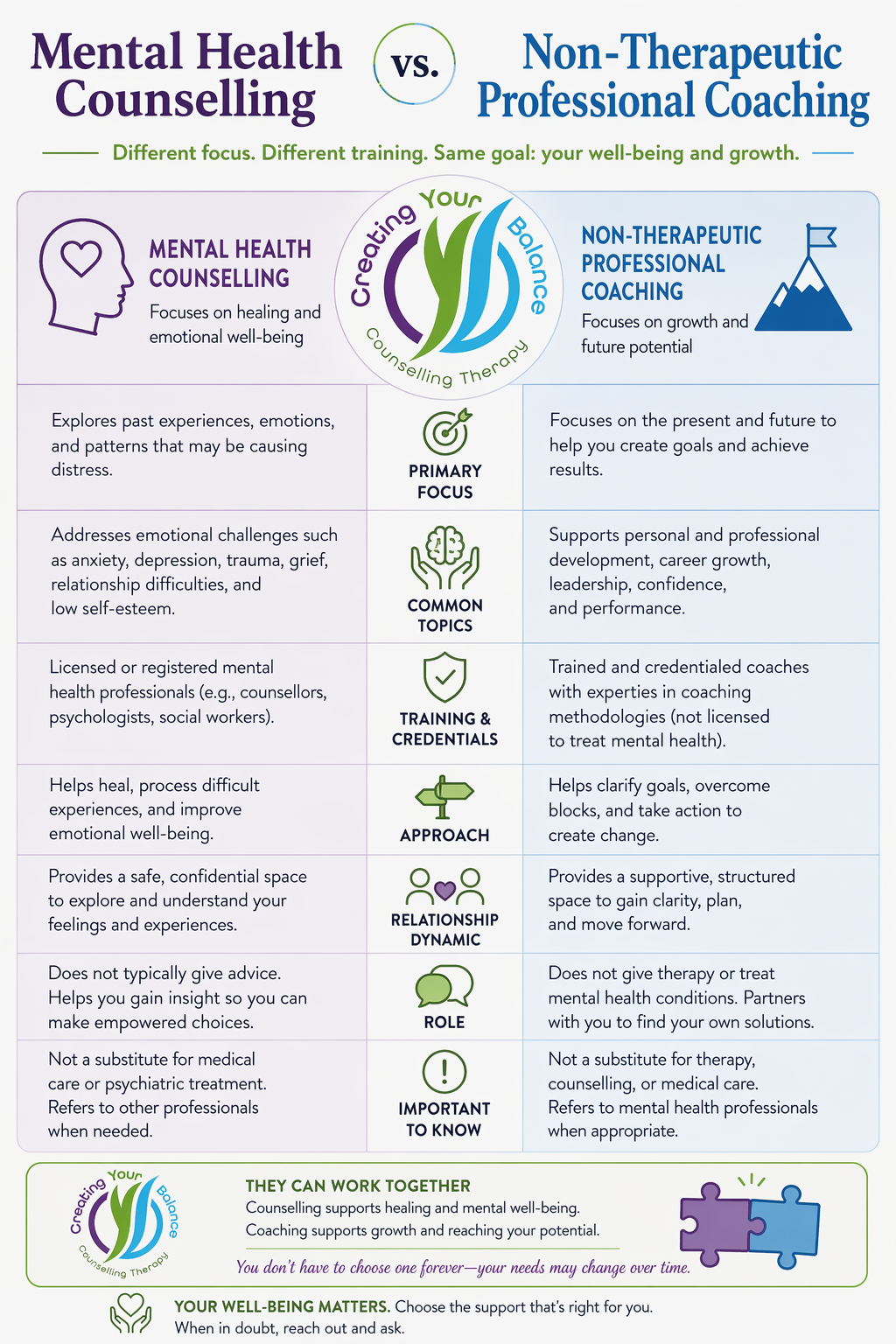
Deciding between therapy and coaching is crucial. Let's explore how therapy supports recovery, while coaching focuses on strategic growth and performance.
Therapy for Burnout Recovery
Therapy offers a safe space to explore feelings and develop coping strategies for burnout recovery. It's about understanding deeper patterns and healing from within. Therapists use evidence-based methods to guide clients through their recovery journey.
Therapy is ideal if you're experiencing significant emotional distress. It helps you work through underlying issues that contribute to burnout, providing a foundation for long-term well-being. Therapy is not just for crisis moments; it's a proactive step toward mental health.
Non-Therapeutic Professional Coaching
Professional coaching focuses on future goals and performance. It's about achieving clarity and creating actionable steps to reach your objectives. Coaching is suitable for those who are mentally well but feeling stuck or seeking direction.
Coaching can help you optimize habits and navigate career transitions without delving into past trauma. The focus is on setting and achieving goals with accountability. For those looking to enhance performance and clarity, coaching is a strategic choice.
Virtual Therapy Nova Scotia Options
Virtual therapy provides accessibility and convenience for those in Nova Scotia and beyond. It offers the same level of support as in-person sessions, with the added benefit of flexibility. You can engage in therapy from the comfort of your own space, making it easier to fit into your routine.
Virtual sessions are just as effective, providing a private and secure environment for discussing personal concerns. This option is perfect for those with busy schedules or who prefer the privacy of their home. Discover more about virtual therapy options at Creating Your Balance.
In summary, recognizing burnout early empowers you to take control before it escalates. Whether through therapy or coaching, the right support can help you navigate stress and achieve balance in your life. Remember, taking action today can prevent greater challenges tomorrow.
Ready to Begin Your Healing Journey
Phone: (902) 420‑6934 Email: admin@cybct.ca Website: https://www.cybct.ca
Follow us for mental health resources and inspiration:
Instagram: @creatingyourbalance2020
Facebook: @creatingyourbalancecounsellingtherapy
YouTube: @cybct
LinkedIn: @creatingyourbalancecounsellingtherapy
TikTok: @cybct2020
This content is for informational purposes only and does not constitute professional or therapeutic advice. Please contact Creating Your Balance Counselling Therapy directly to discuss your individual counselling needs.