Many couples think communication problems just fade away on their own. The truth is, without clear techniques, misunderstandings grow and connection weakens. You’ll learn practical couples communication techniques that bring harmony and understanding back into your relationship. Ready to feel heard and understood? Book a couples counselling consultation in Dartmouth or online across Nova Scotia.
Building Stronger Connections

Communication is the backbone of any relationship. It’s how we share our thoughts and feelings, and it’s crucial for building deeper connections. Without effective communication, misunderstandings can arise, leading to tension and disconnection. Let's explore ways to improve communication in relationships, starting with listening.
Active Listening for Couples
Active listening involves more than just hearing words. It’s about truly understanding your partner. When you practice this, you make your partner feel valued. To start, maintain eye contact when they speak. Nod to show you’re engaged. Avoid interrupting, and wait for them to finish before responding. This simple act of attentiveness can transform how your partner perceives your interest in what they say.
Reflecting back what you hear is another key step. For example, if your partner mentions feeling stressed about work, you might say, "It sounds like work has been overwhelming." This shows empathy and encourages open dialogue. Most people don’t realize how effective listening can be in easing tensions. Begin practicing consistently to see immediate changes.
Using 'I' Statements Effectively
"I" statements can change the tone of your conversations. They focus on your feelings rather than blaming your partner. For instance, instead of saying, "You never listen to me," try, "I feel unheard when I'm not listened to." This approach reduces defensiveness and fosters understanding. It’s a small shift that can lead to big changes in your conversations.
Practice makes perfect. Begin with simple statements about daily events. Notice how the dynamic changes. You’ll likely find your partner more receptive and willing to share. This technique isn’t just about avoiding conflict. It’s about creating a space where both partners feel safe to express themselves.
Setting Healthy Boundaries
Setting boundaries is vital in any relationship. They create a sense of safety and respect. Boundaries aren’t about shutting your partner out. They’re about expressing needs and ensuring both partners feel comfortable. Start by identifying what you need to feel respected. It might be time alone or a specific way to resolve disagreements.
Share these needs openly. Respect your partner's boundaries as well. Discussing and setting boundaries together strengthens your relationship. It’s not uncommon to fear this step. Many worry about sounding selfish or demanding. But in truth, clear boundaries lead to happier, healthier connections.
Tools for Conflict Resolution

When conflicts arise, having the right tools can prevent escalation. Learning specific techniques helps you navigate disagreements peacefully. Let's dive into some practical methods.
Repair Techniques and Validation
Repair techniques are about healing after a disagreement. They help you move forward without lingering resentment. Start by acknowledging your partner’s feelings. This doesn’t mean you agree, but it shows you understand their perspective. For example, saying, "I see why you’re upset about this" can be powerful.
Validation is another critical element. It reinforces that each person’s feelings are important. Even in disagreement, this can bring you closer. Remember, most couples don’t use these techniques, but they’re crucial for long-term happiness.
The Power of Time-Outs
Taking a time-out during heated moments can prevent unnecessary harm. It’s a way to cool down and regroup. Agree on a signal or phrase beforehand to indicate when a break is needed. This isn’t avoiding the issue; it’s about approaching it with a clear mind.
During this time-out, do something calming. Take a walk or meditate. Once calm, return and discuss the issue. The goal is to approach conflicts with a solution-focused mindset. This strategy isn’t about ignoring problems. It’s about tackling them effectively.
Weekly Check-Ins for Couples
Weekly check-ins offer a structured way to communicate. Set aside time each week to discuss highs and lows. Use this time to express gratitude or concerns. It’s a proactive approach to maintaining a healthy relationship.
These check-ins can prevent small issues from becoming big problems. They foster open communication and strengthen bonds. Many find this method enhances their connection significantly.
Seeking Professional Support
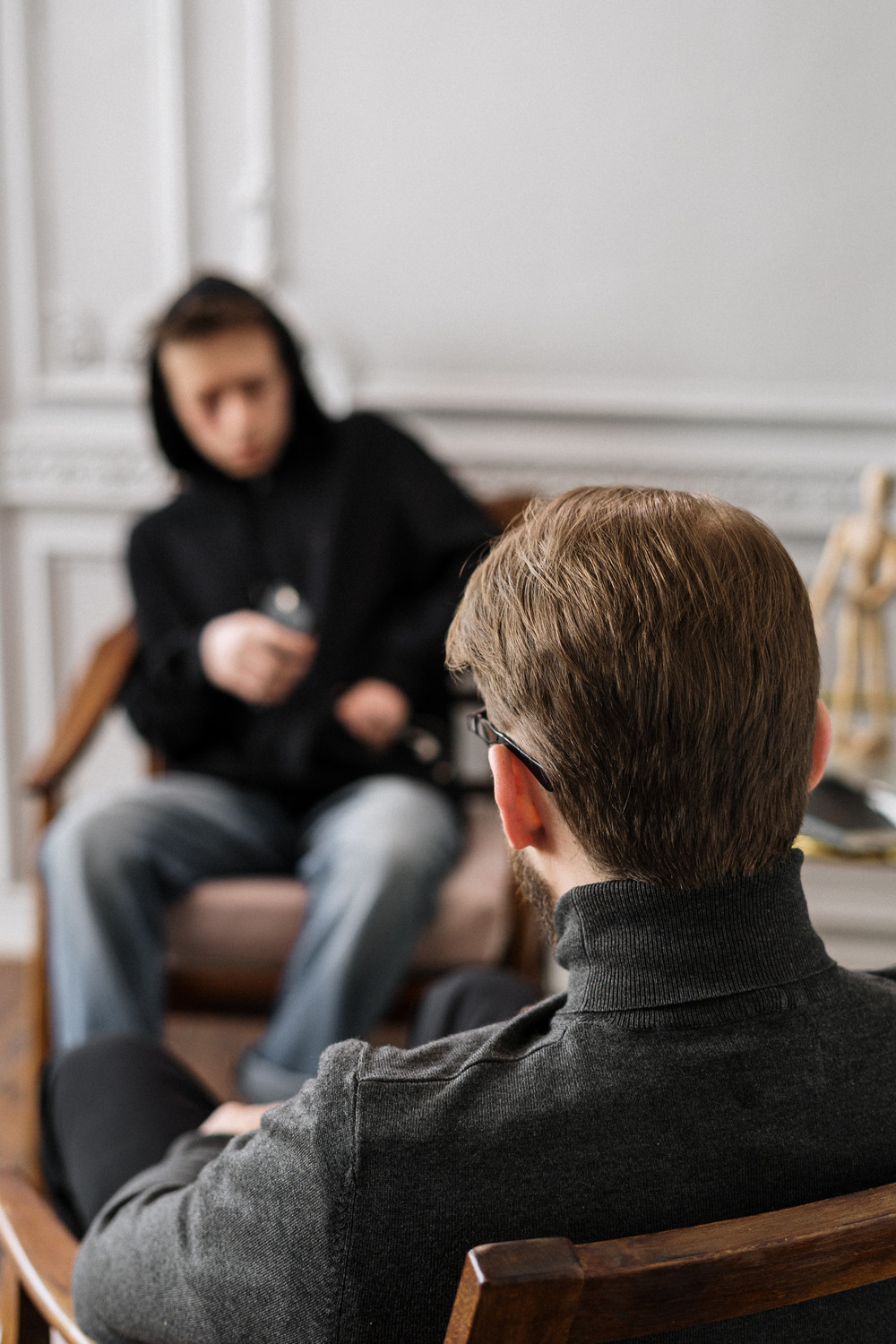
For some, seeking professional help is a pivotal step. Therapy offers tools and insights you might not discover on your own. Let’s explore why this option could be beneficial.
Benefits of Couples Counselling Dartmouth
Couples counselling provides a neutral space to discuss issues. A therapist guides you in exploring feelings and improving communication. Neal Henderson, an experienced therapist, offers tailored sessions in Dartmouth. His approach is compassionate, focusing on your unique needs.
Therapy isn’t just for crisis situations. It’s a proactive way to strengthen your relationship. Many couples find it transformative.
Exploring Virtual Couples Therapy Nova Scotia
Virtual therapy offers flexibility and convenience. It’s ideal for those with busy schedules or those preferring privacy. You’ll receive the same expert guidance online, making it accessible anywhere in Nova Scotia. This option ensures you can work on your relationship without logistical hurdles.
Virtual sessions can be just as effective as in-person ones. They offer a unique way to engage with therapy. Embrace this modern approach to relationship enhancement.
Men's Mental Health Support and Guidance
Men's mental health is often overlooked. Yet, it’s crucial for healthy relationships. Addressing these needs can improve personal well-being and partnership dynamics. Neal Henderson specializes in men's mental health, offering support tailored to your experiences.
It’s okay to seek help. Taking this step shows strength. Support is available to guide you through challenges. Focusing on your mental health benefits you and your relationship.
By applying these communication techniques, you can build a more harmonious and connected relationship. Remember, seeking support is a sign of strength, not weakness. Take the first step towards a healthier relationship today.