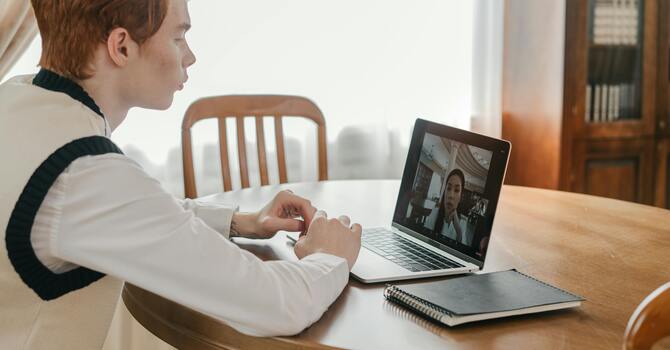
Many couples struggle to speak openly without feeling judged or misunderstood. This gap often leads to repeated conflicts that wear down trust and connection. Couples counselling in Dartmouth offers practical ways to improve communication in relationships, helping you resolve conflicts with respect and calm. Ready to feel heard and connected? Schedule a confidential couples consultation— in person or virtual—with Creating Your Balance Counselling today. For more insights on conflict resolution, check out this helpful resource here.
Building Better Communication
In every relationship, understanding your partner's needs is crucial. When you grasp what truly matters to each other, communication strengthens naturally.
Understanding Each Other's Needs
Here's a critical insight: knowing what your partner values helps you connect deeply. Every person has unique desires and expectations in a relationship. Recognizing these can prevent misunderstandings. Ask open-ended questions to explore what your partner needs. Be genuinely curious, and don't assume you know the answers. This approach fosters a sense of safety and trust.
Let’s consider a simple example. Suppose your partner values quality time. They might feel neglected if you're always busy. Understanding this allows you to plan shared activities, reinforcing your bond. Most people think their partner should just know what they need, but clear communication changes the game.
Effective Dialogue Techniques
Engaging in meaningful conversations involves more than just talking. Active listening is vital. When you truly listen, your partner feels valued. Try repeating what you heard to confirm understanding. This technique ensures clarity and reduces misinterpretations.
Another practical tool is using "I" statements. Instead of saying, "You never listen to me," try expressing, "I feel unheard when we don't discuss our plans." This subtle shift reduces defensiveness and opens up dialogue. Experts suggest using these methods can significantly improve communication in relationships. Curious about more techniques? Here's a detailed guide to explore.
Resolving Conflicts Peace of Mind
Emotion Regulation Strategies
Managing emotions is a skill that enhances relationship harmony. Feelings can quickly escalate during disagreements, making it vital to stay composed. Techniques like deep breathing and counting to ten can help. They create a pause, giving you control over your reactions.
One effective strategy is creating a "cool-off" plan. Agree to take a break when tensions rise, and revisit the issue after calming down. This method not only prevents hasty words but also encourages thoughtful responses. Did you know that couples who practice emotion regulation report fewer arguments? For additional insights, consider exploring this resource.
Creating Workable Agreements
Creating agreements involves compromise and understanding. Start by outlining what's non-negotiable for each of you. Then, identify areas where you're willing to bend. By focusing on mutual benefits, you can craft solutions that work for both partners.
Take turns suggesting solutions. If one partner proposes a plan, the other evaluates it. This back-and-forth fosters equality and respect. Remember, the goal is not to "win" but to find a path that satisfies both. Research shows that couples using this approach maintain healthier relationships. Need more tips? This article offers practical advice.
Men's Mental Health in Relationshiip
While many men hesitate to seek therapy, addressing mental health is crucial for relationship success. Let's explore how to overcome common barriers and provide supportive environments.
Addressing Hesitations in Therapy
Many men worry therapy implies weakness. But seeking help is a sign of strength and commitment to personal growth. Therapy provides tools to manage stress and improve communication. It empowers you to be more present and engaged in your relationships.
If you're feeling uncertain, consider starting with virtual sessions. They offer privacy and convenience, making the transition smoother. Most people think therapy is only for major problems, but it helps with everyday challenges too. By embracing support, you build resilience and improve your mental health. Discover more about therapy for men here.
Providing Nonjudgmental Support
Creating a safe space is essential for fostering open communication. As partners, encourage each other to share thoughts and feelings without fear of judgment. This environment nurtures trust and understanding.
Practice empathy by placing yourself in your partner's shoes. Validate their emotions, even when you disagree. This approach demonstrates respect and fosters a deeper connection. By offering nonjudgmental support, you strengthen your bond and promote emotional well-being.
In conclusion, improving communication and resolving conflicts requires effort and understanding. With the right tools, couples can create a harmonious and fulfilling partnership. If you're ready to enhance your relationship, reach out to Creating Your Balance Counselling today.
About Creating Your Balance Counselling Therapy
Creating Your Balance Counselling Therapy offers professional and compassionate mental health counselling services in Dartmouth, Nova Scotia, supporting individuals as they navigate life's challenges and enhance their emotional well-being.
Our experienced counselling team provides a safe, supportive, and client-centred environment, assisting clients in developing insight, resilience, and practical coping strategies. We view healing as a collaborative process and are dedicated to meeting you where you are, with respect, empathy, and care.
Whether you seek support for stress, anxiety, life transitions, or personal growth, we are here to guide you towards greater balance and emotional wellness.
Ready to begin your healing journey?
(902) 420-6934
admin@cybct.ca
Follow us for mental health resources and inspiration: Instagram: @creatingyourbalance Facebook: @CYBCounsellingTherapy
This content is for informational purposes only and does not constitute professional or therapeutic advice. Please contact Creating Your Balance Counselling Therapy directly to discuss your individual counselling needs.